
Fulbright Scholarship Leads to the Creation of a Robotics Spin-off in Colombia
An academic experience supported by the Fulbright Program is giving rise to an educational innovation initiative that bridges research, technology, and international collaboration between Colombia and the United States. The project, which stems from an academic exchange held in 2022, demonstrates how scientific collaboration can lead to concrete solutions for expanding access to computer science education.
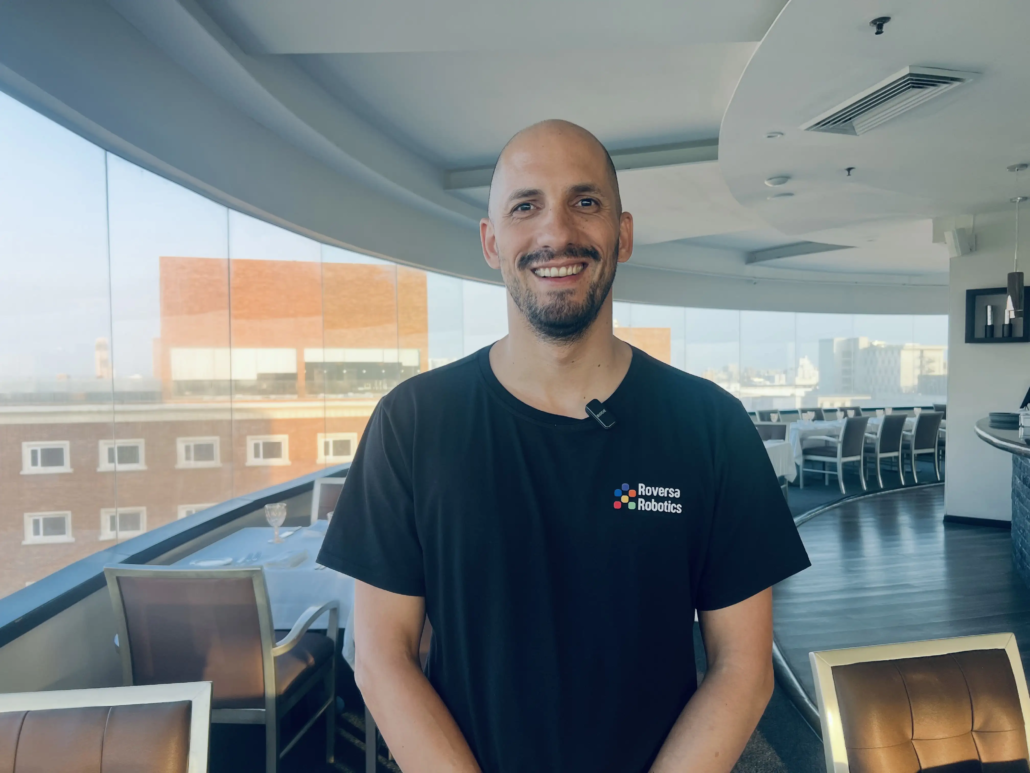
During his academic visit, researcher Camilo Vieira of the Institute of Educational Studies at Universidad del Norte established a partnership with the University of Virginia that has since led to significant advances in computer science and artificial intelligence education.
“We were researching how young children learn to code and how this influences their cognitive development, and we realized we needed a robot that was affordable… so we designed something made of wood or 3D-printed to make it affordable for educational institutions.”
#Roversa is essentially four buttons in its most basic form… which, when used together, help children develop executive functions such as working memory, planning skills, and inhibitory control, as well as visuospatial skills. These two sets of skills are key to problem-solving.
This partnership gave rise to the Global Center for Equitable Education in Computer Science, a binational initiative aimed at democratizing access to education in computer science and artificial intelligence, particularly in contexts where gaps in STEM fields persist.
From Research to Educational Innovation
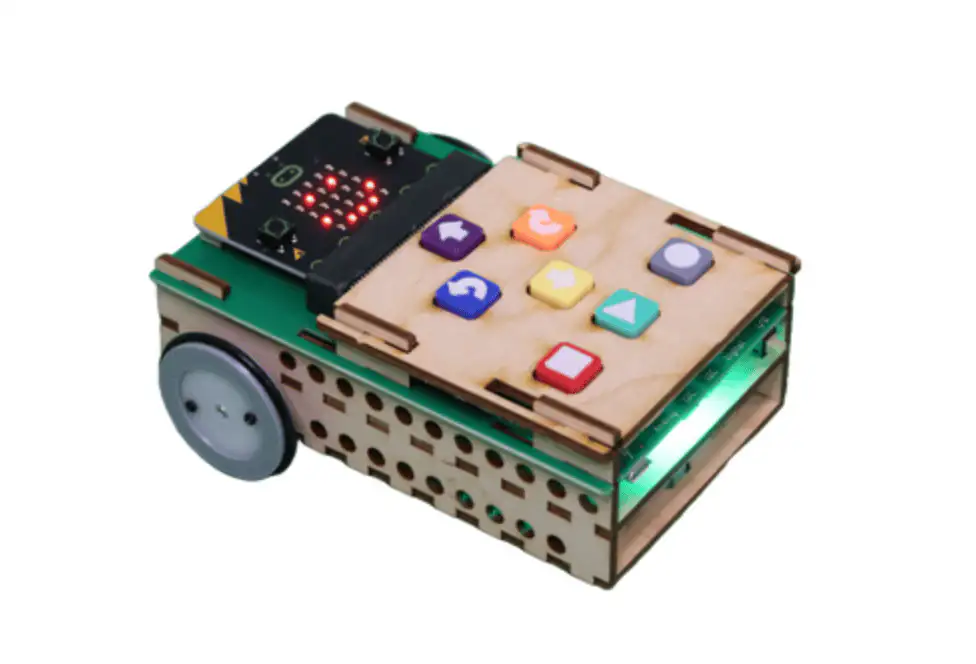
Roversa Robotics emerged from this ecosystem of research and collaboration; it is an educational technology spin-off created to scale up the development and use of teaching tools based on robotics and physical computing.
The project centers on Roversa, an open-source educational robot designed to facilitate hands-on learning of computational thinking from an early age. The device was designed to be flexible, accessible, and adaptable to different educational contexts, particularly in Latin America, where the cost of available technologies often poses a barrier to their adoption.
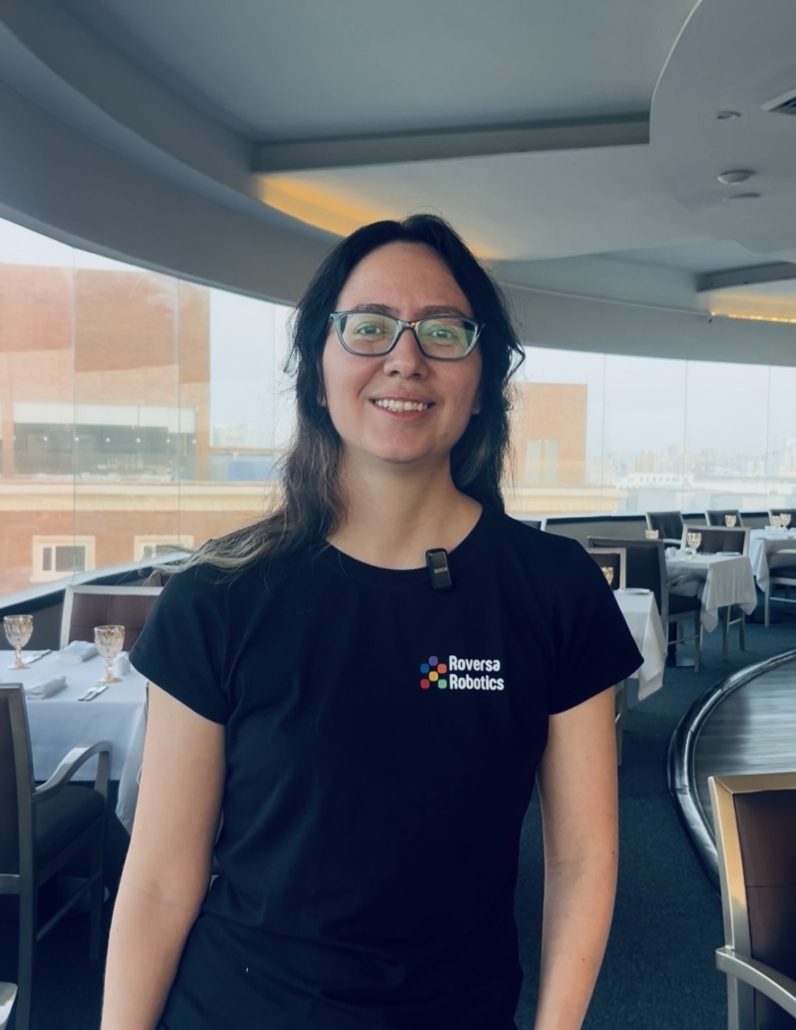
“I ended up at Roversa thanks to Fulbright… through my connections and my time at the university, I was able to meet them and see how this whole movement came about… and they got to know me and see how I could handle both the technical side of software development and the educational side, because in projects like this, it’s important that everyone is clear on the purpose,”
The research team at Universidad del Norte integrated technological design with a pedagogical model validated in real-world settings.
Impact in the Classroom
Pilot studies conducted in cities such as Barranquilla, Medellín, Ibagué, and Pereira have demonstrated the device’s potential to strengthen key cognitive skills in children aged five to six, including working memory, planning, and spatial reasoning—skills that are fundamental to the later development of mathematical and problem-solving abilities.
“One of the most wonderful things has been the community that has formed around Roversa in Ibagué, Calarcá, and Medellín—people design new costumes for it so it doesn’t always look the same,” Professor Vieira said proudly.

The spin-off was structured through a technology transfer process between the University of Virginia and the Universidad del Norte, with support from their respective innovation and intellectual property offices.
Fulbright as a Bridge to Innovation
For the Fulbright Commission in Colombia, initiatives like these highlight the value of academic exchanges as drivers of scientific collaboration, innovation, and the development of educational solutions with a global impact.
The case of Roversa Robotics demonstrates how collaboration among researchers, universities, and innovation ecosystems can transform academic projects into practical tools that expand access to computer science education, while also strengthening academic ties between Colombia and the United States.
“I believe Roversa can change the world; I dream of seeing it in every classroom,” Arboleda concluded.